


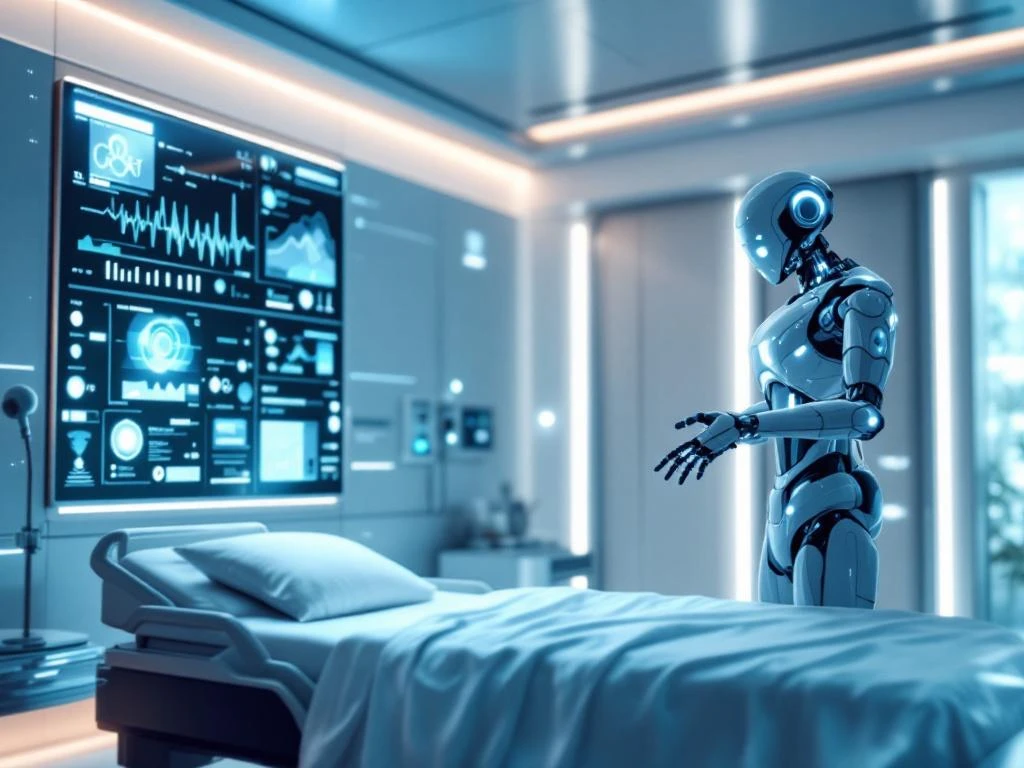
Innovation is a strategic theme within healthcare because it addresses staffing shortages, reduces costs, and improves the quality of patient care. With an aging population and increasing healthcare demand, healthcare organizations need innovative solutions to continue operating sustainably. AI in healthcare and other technologies help solve these challenges.
What does innovation actually mean within the healthcare world?
Innovation in healthcare involves developing new technologies, processes, and methods that improve patient care and support healthcare workers. This differs from innovation in other sectors because safety, privacy, and human wellbeing always come first.
The healthcare world encompasses various forms of innovation. Technological innovation includes AI systems for monitoring, robotics for operations, and digital platforms for patient communication. Process innovation focuses on improving workflows, such as digitizing patient records or optimizing medication distribution.
What makes healthcare innovation unique is its focus on human impact. Every innovation must contribute to better patient outcomes or reduce the workload for healthcare workers. This means technology always serves healthcare, not the other way around.
Practical examples include telemedicine for home care, wearables for continuous monitoring, and smart alarm systems that detect fall incidents. These applications demonstrate how innovation concretely contributes to better care.
Which problems does innovation solve in contemporary healthcare?
Innovation addresses the four biggest challenges in contemporary healthcare: staffing shortages, rising costs, increasing healthcare demand, and quality requirements. These problems require smart solutions that increase efficiency without compromising the quality of care.
Staffing shortages currently form the biggest challenge. With an aging workforce and growing care needs, organizations struggle to find sufficient qualified personnel. Advanced AI healthcare monitoring solutions help by taking over routine tasks and supporting healthcare workers with more complex activities.
Cost pressure increases due to more expensive treatments and medications. Innovative solutions make processes more efficient, reduce waste, and prevent costly complications through early problem detection.
Healthcare demand rises annually due to demographic changes. Smart technologies make it possible to monitor more patients without a proportional increase in staff. This keeps care accessible and affordable.
Quality requirements become stricter, which stimulates innovation toward better diagnostics, more accurate monitoring, and personalized treatments that deliver better results for patients.
How does technological innovation ensure better patient care?
Technological innovation improves patient care by enabling faster diagnoses, preventive monitoring, and personalized treatments. Patients receive better outcomes while healthcare providers can work more efficiently with reliable technical support.
Modern diagnostic tools accelerate the recognition of diseases and conditions. AI systems can detect patterns in medical images that the human eye misses, leading to earlier and more accurate diagnoses.
Preventive monitoring prevents acute situations through continuous surveillance of vital functions and behavioral patterns. Sensors and smart cameras can immediately signal changes in patients’ conditions, allowing for quick intervention.
Personalized care becomes possible through data analysis that tailors treatment plans to individual patient characteristics. This increases treatment effectiveness and reduces side effects.
For healthcare providers, this means less administration, more reliable information, and more time for direct patient care. Technology takes over routine tasks, allowing professionals to focus on more complex care delivery where their expertise is most valuable.
Why is innovation important for the future of healthcare organizations?
Innovation determines whether healthcare organizations can handle future challenges. With an aging population, a shrinking workforce, and rising healthcare costs, organizations must invest now in smart solutions to continue operating sustainably.
Demographic developments are irreversible. By 2040, the number of elderly people in the Netherlands will have increased by more than 40%. Meanwhile, many experienced healthcare workers are retiring, making the gap between healthcare demand and supply only larger.
Organizations that innovate now build a competitive advantage. They can serve more patients with the same staff, provide higher quality care, and are more attractive to new employees who want to work with modern technology.
Financial sustainability requires more efficient processes. Innovative healthcare organizations can control costs while improving quality, which is necessary to survive in a tight market.
Patients increasingly expect modern, accessible care. Organizations that don’t keep up with technological developments risk losing patients to progressive competitors who do invest in innovation.
How we help with innovation in healthcare
We develop AI solutions that directly contribute to solving staffing shortages and improving patient safety. Our technology watches over patients 24/7 and supports healthcare workers in their daily activities.
Our key innovations include:
- Fall detection: automatic recognition of fall incidents within seconds, so help can arrive quickly on site
- Preventive monitoring: continuous surveillance of patient behavior to signal risk situations early
- Staff support: smart alarms that only activate during real emergency situations, with just one false alarm per 92 days
- Privacy protection: images are only analyzed by AI and never viewed by humans
This technology helps healthcare organizations deliver excellent care with fewer staff. Healthcare workers can focus on direct patient care while our AI takes over monitoring.
Want to know how our innovative solutions can help your healthcare organization? Contact us for a personal conversation about the possibilities for your situation.
Frequently Asked Questions
How does AI improve patient safety?
AI provides 24/7 monitoring and early detection of emergencies, reducing response times and preventing incidents.
What challenges do healthcare organizations face when implementing innovation?
Staff training and system integration are key challenges that require proper planning and gradual implementation.
Is patient privacy protected with AI monitoring?
Yes, modern AI systems analyze data without storing personal information and comply with GDPR regulations.
Related Articles
- What training is needed for fall prevention implementation for seniors?
- How can technology contribute to early detection in healthcare?
- Why are healthcare institutions increasingly investing in smart monitoring?
- How does technology change the relationship between healthcare provider and client?
- How does AI-based care monitoring differ from traditional systems?
This content was generated with the help of AI and it may contain mistakes