


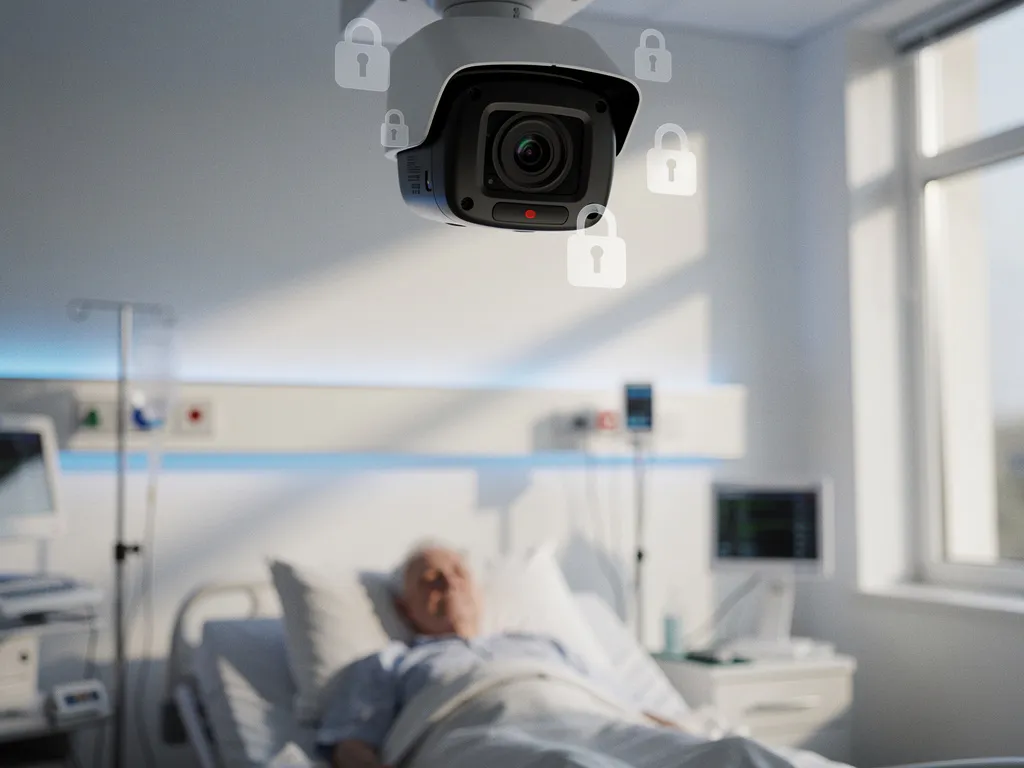
The digitization of healthcare offers tremendous opportunities, but also brings new challenges in the field of cybersecurity. Fall prevention for elderly people increasingly uses advanced AI technology and internet connections, making these systems potential targets for cybercriminals. For healthcare organizations investing in modern fall prevention systems, it is essential to understand how they can protect this technology against digital threats.
A cyberattack on a fall prevention system can have disastrous consequences for the safety of residents. Therefore, it is crucial that healthcare organizations adopt a holistic approach, where technical security, policy, and training come together to create a robust defense.
Why are fall prevention systems vulnerable to cyberattacks?
Fall prevention systems are vulnerable to cyberattacks because they are often connected to networks, use wireless technology, and process sensitive patient data. These systems combine cameras, sensors, and AI software, all of which form potential entry points for malicious parties.
The vulnerability arises from various factors. First, many systems use default login credentials that are rarely changed by healthcare staff. Second, these systems are often installed without adequate network security or firewalls. Additionally, outdated software and missing security updates can create gaps that hackers can exploit.
An additional risk is that fall prevention systems are often part of a larger healthcare network. When an attacker gains access to one system, they can move laterally through the network and gain access to other critical systems, such as electronic patient records or medication dispensers.
What cyber risks threaten AI-driven fall detection systems?
AI-driven fall detection systems are threatened by ransomware attacks, data breaches, man-in-the-middle attacks, and AI poisoning. These threats can disrupt the system’s functionality and endanger residents’ privacy.
Ransomware poses one of the greatest risks. Criminals can lock the system and demand ransom, causing fall detection to temporarily fail. This can create life-threatening situations when falls go unnoticed. Data breaches are equally dangerous, as attackers can gain access to sensitive information about residents and their health patterns.
Man-in-the-middle attacks can occur when communication between sensors and the central system is intercepted. This can generate false alarms or suppress real emergency situations. AI poisoning is a more specialized threat where attackers try to manipulate machine learning algorithms by introducing contaminated data, which can lead to incorrect fall detection.
How do you implement cybersecurity for fall prevention technology?
You implement cybersecurity for fall prevention technology by adopting a layered security approach with network security, access control, encryption, and regular updates. Start by segmenting the network so that fall prevention systems operate isolated from other systems.
Establish strong authentication mechanisms, including multi-factor authentication for all users who have access to the system. Change default passwords immediately after installation and implement a policy for regular password updates. Use end-to-end encryption for all data communication between sensors, cameras, and the central system.
Install firewalls and intrusion detection systems that can identify unusual activity. Ensure regular security updates and patches for all software components. Also make backups of critical configuration data so that systems can be quickly restored after an incident. Monitor the system continuously for suspicious activities and set up warning mechanisms for unauthorized access attempts.
What is the difference between on-premise and cloud-based security?
On-premise security means that all data and security measures are managed locally within the healthcare organization, while cloud-based security uses external servers and security services. Both have specific advantages and disadvantages for fall prevention systems.
On-premise systems offer more direct control over data and security. Healthcare organizations can determine which security measures are implemented and have complete control over where sensitive patient data is stored. This can be advantageous for organizations with strict compliance requirements or specific privacy requirements.
Cloud-based security, on the other hand, benefits from economies of scale and specialized expertise of cloud providers. These suppliers often invest more in advanced security technologies than individual healthcare organizations can afford. Cloud solutions also offer automatic updates and 24/7 monitoring by security experts. The disadvantage is that organizations become dependent on external parties and may have less control over their data.
How do you train healthcare staff in cybersecurity for fall prevention systems?
You train healthcare staff in cybersecurity by regularly organizing practical training sessions that focus on password hygiene, recognizing phishing attacks, and safe procedures for system access. Make the training specifically relevant to fall prevention systems and daily work activities.
Start with awareness of the risks that cyberattacks can have on patient safety. Explain how a hacked fall prevention system can directly impact care for residents. Organize hands-on sessions where employees learn how to create strong passwords, recognize suspicious emails, and safely log into systems.
Create clear procedures for reporting security incidents and ensure that all employees know who to contact in case of suspicious activities. Repeat training regularly and test knowledge through simulated phishing emails or other security tests. Make cybersecurity part of regular work procedures so that it becomes a natural part of the daily routine.
How Kepler Vision Technologies helps with cybersecurity for fall prevention
We at Kepler Vision Technologies take cybersecurity for fall prevention for elderly people extremely seriously. Our AI solutions are designed according to security-by-design principles and comply with the highest security standards in the healthcare industry.
Our approach includes various security layers:
- ISO 27001 and NEN 7510 compliance for optimal data protection
- End-to-end encryption of all data communication
- Local data processing, ensuring sensitive images never leave the system
- Regular security updates and patches
- 24/7 monitoring of our systems
Thanks to our years of expertise in AI and cybersecurity, we can help healthcare organizations implement fall prevention safely and reliably. Our systems are designed to integrate seamlessly into existing healthcare infrastructure without introducing security risks. Want to know more about how we can help your organization with safe fall prevention? Contact us for a comprehensive security analysis and demonstration of our solutions.
Frequently Asked Questions
How often should we perform security updates for our fall prevention system?
Security updates should ideally be installed automatically as soon as they become available. For critical patches within 24-48 hours, and for regular updates at least monthly. Establish a fixed maintenance schedule and test updates first in a test environment before implementing them on the live system.
What should I do if I suspect our fall prevention system has been hacked?
Isolate the system immediately from the network to prevent further damage, but do not shut it down completely due to patient safety. Activate your incident response plan, document all observed anomalies, and immediately contact your IT security team and the system vendor.
Can we upgrade existing fall prevention systems to better cybersecurity?
Yes, existing systems can often be upgraded with additional security measures such as firewalls, VPN connections, and monitoring software. However, very old systems may have hardware limitations. Have a cybersecurity audit performed to determine which upgrades are possible and cost-effective.
How can we ensure compliance with GDPR for fall prevention systems?
Implement privacy-by-design principles, minimize data collection to what is necessary, use local data processing where possible, and ensure clear consent procedures. Regularly conduct Data Protection Impact Assessments and document all data processing activities according to GDPR requirements.
What are the costs of cybersecurity for fall prevention technology?
Costs vary from 10-20% of the total system investment, depending on complexity and security requirements. This includes initial security implementation, regular audits, staff training, and ongoing monitoring. View this as an investment that can prevent much more expensive cyber incidents.
How do I test whether our cybersecurity measures are effective?
Regularly conduct penetration testing by certified ethical hackers, organize phishing simulations for staff, and implement continuous monitoring tools. Plan at least annual security audits and test your incident response procedures through tabletop exercises with the entire team.
What certifications should I require from fall prevention system vendors?
Require at minimum ISO 27001 for information security and NEN 7510 for healthcare information. For AI systems, ISO 23053 (AI risk management) and IEC 62304 (medical software) are also relevant. Check if the vendor is GDPR-compliant and ask for SOC 2 Type II reports for cloud-based services.
Related Articles
- How do you evaluate different fall prevention for elderly suppliers?
- Why is fall prevention for older adults so important?
- What does real-time care monitoring mean for healthcare institutions?
- Why is healthcare monitoring shifting from reactive to predictive?
- How does AI contribute to more efficient nighttime care?
This content was generated with the help of AI and it may contain mistakes