


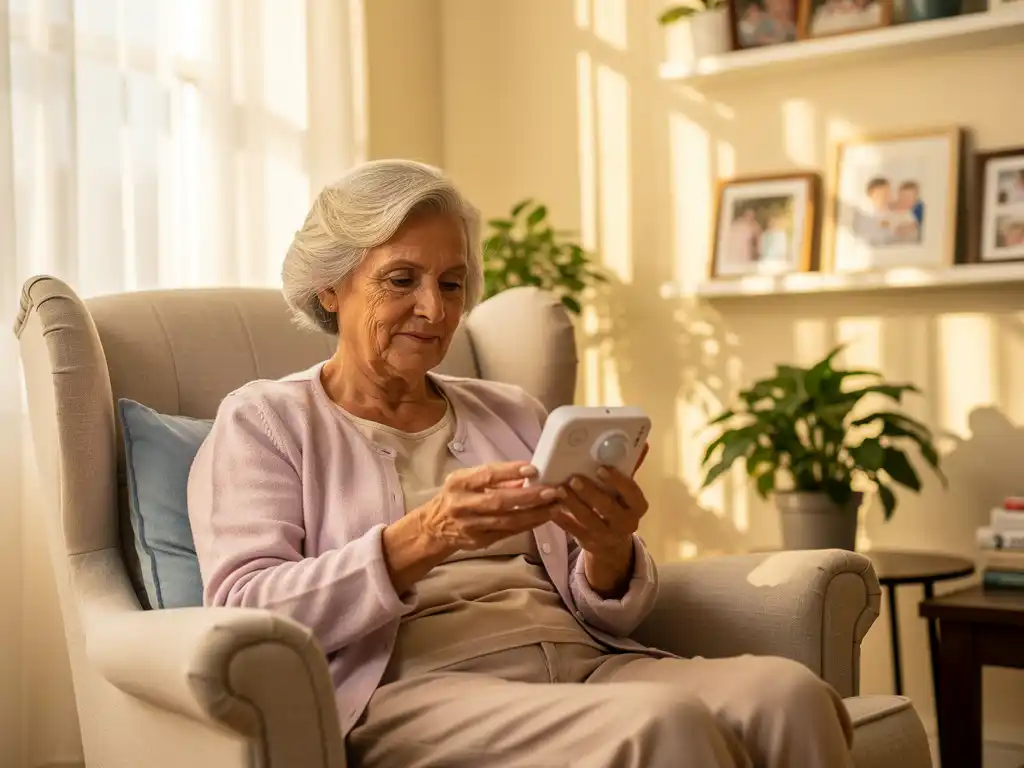
Fall prevention for elderly residents is a crucial component of quality care, but gaining acceptance for it often poses challenges in healthcare facilities. Many residents feel resistance toward new technologies, especially when they seem to threaten their privacy or autonomy. With the right approach, care organizations can break through that resistance and create a safety culture where innovative solutions are welcomed with open arms.
Successful implementation of fall prevention requires more than just technical installation. It’s about building trust, addressing concerns, and actively involving residents in the process. By understanding the human side of technology adoption, care facilities can significantly increase acceptance.
Why are elderly residents often hesitant about fall prevention technology?
Elderly residents are often hesitant about fall prevention technology due to privacy concerns, fear of complexity, and the feeling of losing autonomy. This resistance stems from understandable worries about surveillance and the fear that technology will undermine their independence.
The biggest barrier is often the feeling of being constantly observed. Many residents associate cameras and sensors with loss of privacy and dignity. Additionally, they fear that the technology is too complicated to understand or that it will disrupt their daily routine.
Generational differences also play an important role. Elderly people who didn’t grow up with digital technology often feel overwhelmed by new systems. They worry about false alarms, technical malfunctions, or not being able to operate equipment. These concerns are completely understandable and require an empathetic approach.
How can you involve residents in implementing fall prevention?
Involving residents in fall prevention implementation begins with transparent communication about the purpose, process, and their role in decision-making. Organize information sessions where residents can ask questions and voice their concerns before the technology is installed.
Establish a resident committee that contributes to the implementation planning. This gives residents a sense of control and ownership over the process. Let them help decide on aspects such as sensor placement, activation times, and communication methods for alarms.
Demonstrations are essential for acceptance. Show residents how the technology works in a safe, non-threatening environment. Demonstrate that the system respects their privacy and only activates when necessary. Use stories from other residents who have had positive experiences with fall prevention systems.
Also offer choices. Some residents may want to start with a trial period or choose specific times when the system is active. This flexibility significantly increases willingness to cooperate.
What are the main privacy concerns and how do you address them?
The main privacy concerns with fall prevention are unauthorized access to footage, storage of personal data, and the feeling of constant surveillance. You address these concerns with technical safeguards, transparent policies, and clear communication about data protection.
Modern fall prevention systems often work without images being viewed by humans. AI technology analyzes movement patterns and only detects abnormal situations. Explain that care staff are only alerted during actual emergency situations, not during normal daily activities.
Implement strict access controls and encryption for all data. Ensure that only authorized care personnel have access to alarm information. Don’t store unnecessary data and automatically delete old information according to established protocols.
Communicate transparently about compliance with privacy legislation, such as GDPR. Show residents what data is collected, how long it’s retained, and who has access to it. Always offer the option to object or disable the system.
How do you effectively communicate the benefits of fall prevention?
Effective communication about fall prevention benefits focuses on concrete, personal advantages, such as faster help during emergencies, maintaining independence, and peace of mind for family. Use stories and examples instead of technical specifications to make the value clear.
Emphasize that fall prevention isn’t meant to restrict freedom, but rather to enable independence for longer. Explain how rapid fall detection can prevent serious injuries and thus help maintain quality of life.
Share concrete examples of situations where the system has helped. Tell about residents who suffered less serious injuries thanks to quick detection or who feel safer due to the system’s presence. Avoid abstract statistics and focus on human stories.
Organize conversations with family members where benefits for all involved are discussed. Family members appreciate the peace of mind that fall prevention provides, and their support can help residents in their decision to accept the system.
What role does care staff play in increasing acceptance?
Care staff plays a crucial role in acceptance by serving as trusted intermediaries between residents and technology. Their positive attitude, thorough knowledge of the system, and empathetic communication largely determine the success of implementation.
Train care staff thoroughly in both technical aspects and communication about fall prevention. They must be able to answer all questions and take concerns seriously. Their confidence in the system radiates to residents and positively influences acceptance.
Care staff must help residents with the transition by patiently explaining how the system works and what they can expect. They can provide reassurance during false alarms and explain why these sometimes occur, without undermining the system’s reliability.
Create a feedback loop where care staff can relay residents’ experiences and concerns to management. This information helps refine procedures and adjust communication strategies for better acceptance.
How Kepler Vision Technologies helps with fall prevention acceptance
We understand that technology acceptance is just as important as technical performance. Our Kepler Night Nurse software is therefore designed with privacy as a starting point: images are never viewed by humans and care staff are only alerted during actual emergencies.
Our approach to acceptance includes:
- Comprehensive training and support for care staff
- Transparent communication about privacy and data protection
- Flexible implementation that considers resident preferences
- Minimal false alarms (only one per 92 days) for maximum trust
- Continuous support during and after implementation
Through our years of experience in healthcare, we know how important trust and acceptance are for successful fall prevention. Our solutions combine advanced AI technology with respect for human dignity and autonomy. Discover how we can help your organization increase acceptance of fall prevention technology.
Frequently Asked Questions
How long does it typically take for residents to fully accept fall prevention technology as part of their care?
The acceptance period varies per resident, but on average it takes 2-4 weeks before residents are fully accustomed to the system. Some residents accept the technology within a few days, while others need more time and guidance. Regular check-ins with care staff and sharing positive experiences significantly accelerate this process.
What should you do if residents continue to refuse cooperation with fall prevention, despite all efforts?
Respect residents’ autonomy and never force participation. Offer alternative solutions such as wearable emergency buttons or regular wellness checks. Keep the door open for future participation by periodically sharing information about improvements and positive experiences from other residents. Sometimes attitudes change after seeing concrete benefits among fellow residents.
How do you handle false alarms and prevent them from undermining trust in the system?
Be transparent about the possibility of false alarms and explain that this is inherent to any detection system. Train care staff to respond calmly and professionally to false alarms. Use these moments as learning opportunities to refine the system and reassure residents. Modern systems like Kepler Night Nurse have very low false alarm rates (only one per 92 days).
What concrete steps can you take when residents' families are concerned about privacy aspects of fall prevention?
Organize separate information sessions for families where you explain technical safeguards, such as encryption and access controls. Show documentation about GDPR compliance and offer the opportunity to view the system. Share contact information for a privacy officer and offer to provide written guarantees about data protection. Transparency and open communication address most concerns.
How can you motivate residents who have already experienced a fall to accept fall prevention technology?
Residents who have already fallen are often more receptive to fall prevention because they have experienced the consequences. Emphasize how the system enables faster help and can prevent more serious injuries. Share stories of others who benefited from the system after a fall. Focus on maintaining independence rather than the technical aspects of the system.
What are the most effective ways to prepare care staff for resident resistance to fall prevention?
Train care staff in empathetic communication and teach them the most common objections and appropriate responses. Practice role-playing scenarios covering different resistance situations. Give them concrete tools such as information brochures and demonstration materials. Ensure they are fully convinced of the benefits themselves, as their enthusiasm is contagious to residents.
How do you measure the success of acceptance efforts and when can you consider implementation successful?
Measure acceptance using both quantitative and qualitative indicators: participation rates, number of complaints, satisfaction scores, and feedback from residents and families. An implementation is successful when at least 80% of residents actively participate, complaints decrease over time, and care staff report positive experiences. Conduct regular evaluations to monitor acceptance and adjust where necessary.
Related Articles
- How do you create a culture where workload is open for discussion?
- What are the costs of falls without fall prevention for the elderly?
- What does fall prevention for elderly people cost on average?
- How does technology contribute to preventive care?
- How can healthcare institutions strategically deploy innovation?
This content was generated with the help of AI and it may contain mistakes