


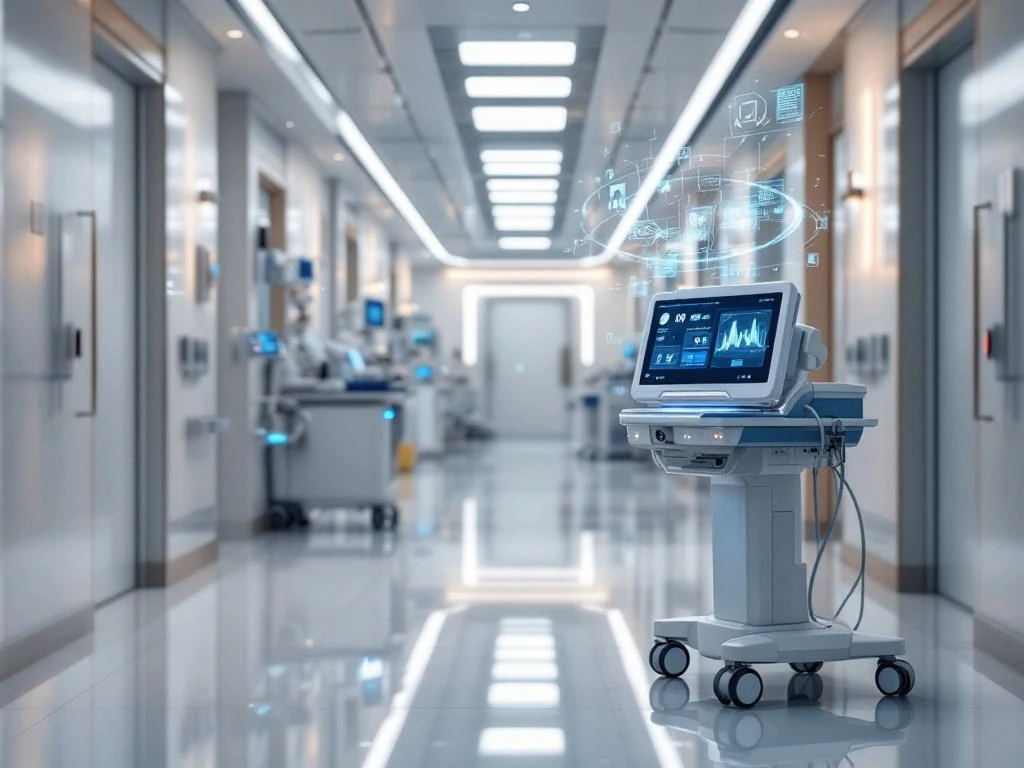
Innovation in healthcare is necessary because costs are rising faster than available budgets. By implementing smart technology, we can solve staff shortages, automate processes, and strengthen preventive care. This makes healthcare not only more affordable, but also more accessible for everyone. AI in healthcare plays an important role in this by taking over routine tasks and supporting healthcare staff.
What makes healthcare so expensive and why do costs keep rising?
Healthcare costs are rising due to four main factors: an aging population, staff shortages, more complex treatments, and high administrative burdens. These factors reinforce each other and cause cost increases that outpace economic growth.
The aging population creates more demand for care, while there are fewer working people to finance it. At the same time, staff shortages make care more expensive, as organizations have to pay more for available personnel. Overtime and hiring external staff costs much more than regular care.
Modern treatments are becoming increasingly advanced and expensive. New medications, equipment, and therapies offer better results, but come with higher price tags. Additionally, much time and money is lost on administration that doesn’t directly contribute to patient care.
These problems won’t solve themselves. Without intervention, they will only grow larger, making healthcare unaffordable for many people.
How can staff shortages be solved without losing quality?
You solve staff shortages by smartly implementing technology for routine tasks, creating better schedules, and supporting rather than replacing healthcare staff. This gives employees more time for real patient care.
Automation of administrative tasks saves a lot of time. Think of digital schedules, automatic medication dosing, and smart alarm systems. This allows healthcare workers to focus on what they do best: caring for people.
Smart planning also helps enormously. By using data, you can predict when you need more staff. This prevents understaffing during busy periods and overstaffing during quiet moments.
Technology can also directly support healthcare staff during their work. Think of systems that warn of emergency situations or apps that provide quick access to patient information. This makes work more efficient and less stressful.
Which technologies truly make healthcare more efficient and affordable?
AI in healthcare, automatic monitoring systems, digital health records, and preventive care tools reduce healthcare costs by automating processes and detecting problems early. These technologies save time and prevent expensive emergency situations.
AI for monitoring can watch over patients 24/7 without requiring constant staff presence. This is especially useful for fall detection and recognizing emergency situations. Healthcare staff only receive alerts when something is actually wrong.
Automatic alarm systems prevent small problems from becoming big ones. By warning early about changes in patients’ conditions, you can often prevent more serious (and expensive) treatments.
Digital health records make information immediately accessible to all involved healthcare providers. This prevents duplicate tests, reduces errors, and makes care much more efficient.
Preventive care tools help identify risks early. By preventing problems instead of treating them, you not only save costs but also improve patients’ quality of life.
Why is preventive care the best investment for the future?
Preventive care costs much less than curative care because you prevent problems instead of treating them. Early detection of health problems leads to simpler, cheaper treatments and better outcomes for patients.
Treating a broken hip costs much more than preventing a fall. The same applies to chronic diseases: early intervention often prevents more serious and expensive treatments later.
Preventive programs have proven to be effective. Regular check-ups, healthy lifestyle programs, and early screening can prevent many health problems or treat them in an early stage.
For healthcare institutions, preventive care also means fewer acute emergency situations. This makes planning easier and reduces pressure on staff. Patients are also more satisfied because they stay healthier and need less invasive treatments.
The investment in prevention often pays for itself within a few years through lower treatment costs and higher patient satisfaction.
How Kepler Vision helps with affordable care through smart monitoring
We make healthcare more affordable by implementing AI in healthcare for 24/7 monitoring and fall detection. Our technology watches over patients and only alerts when help is truly needed, allowing staff to work more efficiently.
Our solutions offer concrete benefits:
- 24/7 monitoring without requiring constant staff presence
- Immediate alert for falls, within seconds
- Only one false alarm per 92 days
- Privacy guaranteed: images are never viewed by humans
- Easy installation without major modifications
- Fewer emergency situations through preventive signaling
Through our technology, healthcare organizations can better deploy their staff and save costs without compromising on quality. Staff only need to take action when it’s truly necessary.
Want to know how our AI solutions can help your healthcare organization with cost-effective care? Contact us for a personal conversation about the possibilities.
Frequently Asked Questions
How long does AI technology take to pay for itself?
Most AI monitoring systems pay for themselves within 12-24 months through reduced staffing costs and fewer emergency incidents.
Are AI systems reliable for fall detection?
Modern AI systems achieve 95%+ accuracy with only one false alarm per 92 days, supporting staff without replacing human judgment.
How is patient privacy protected with camera monitoring?
AI processes images locally without storage, analyzes only movement patterns, and never allows human viewing of footage.