


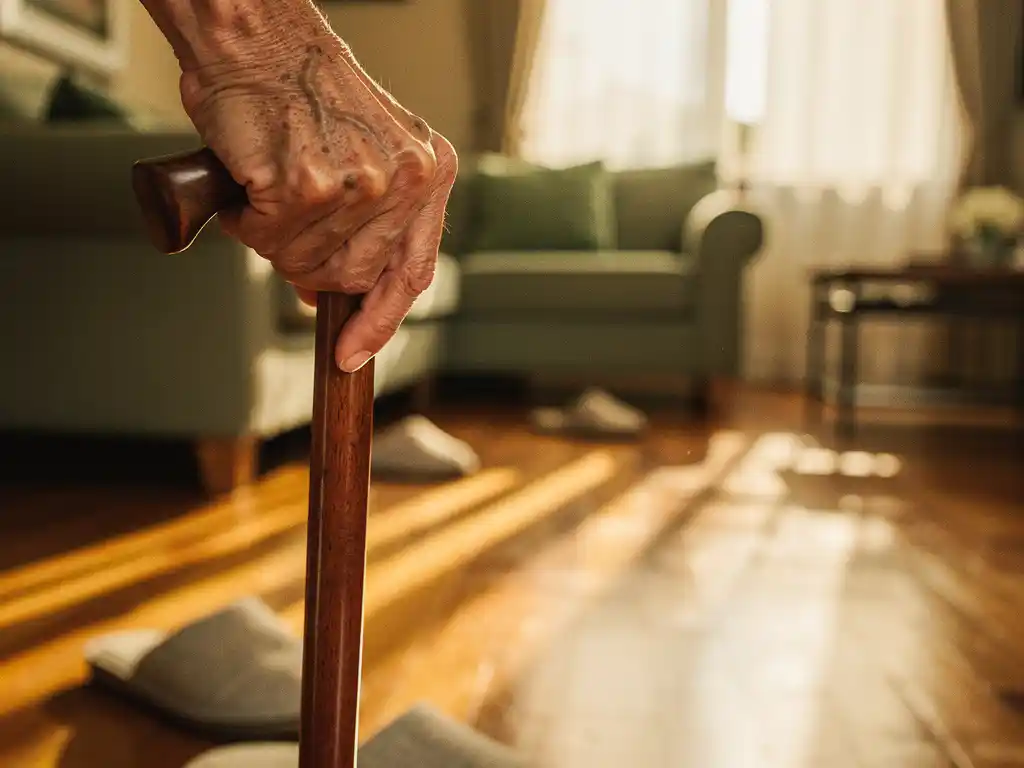
Falls among elderly individuals constitute a serious problem in healthcare, with thousands of incidents occurring annually in Dutch care facilities. These unsafe situations can lead to serious injuries, loss of independence, and increased care needs. By gaining insight into fall prevention for the elderly, healthcare providers and families can take more effective measures to minimize these risks.
Understanding the underlying causes of falls is essential for developing targeted prevention strategies. From medication side effects to environmental factors: various elements can significantly increase fall risk. In this article, we discuss the main risk factors and how care professionals can recognize and address them.
What are the most common causes of falls among the elderly?
The most common causes of falls among the elderly are balance disorders, muscle weakness, medication side effects, and environmental factors such as slippery floors or poor lighting. These factors often work together and exponentially increase fall risk when multiple causes are present simultaneously.
Balance disorders arise from changes in the inner ear, reduced proprioception, and neurological conditions. Approximately 35% of elderly people over 65 fall at least once per year; this percentage rises to 50% in people over 80. Muscle weakness, especially in the legs and core muscles, reduces stability and reaction ability during sudden movements.
Cognitive decline also plays an important role, as it affects attention and judgment. Elderly people with dementia have a three times higher fall risk than peers without cognitive problems. Additionally, chronic conditions such as diabetes, arthritis, and cardiovascular problems can indirectly contribute to increased fall risk through their impact on mobility and alertness.
How do medications influence fall risk in the elderly?
Medications increase fall risk in the elderly through side effects such as dizziness, sedation, low blood pressure, and reduced reaction time. Particularly psychoactive medications, blood pressure lowering drugs, and sleep medications are associated with an increased fall risk of 20-30%.
Polypharmacy, the use of five or more medications simultaneously, occurs in approximately 40% of elderly people and doubles the fall risk. Interactions between different medications can have unpredictable effects on balance and cognitive function. Benzodiazepines and antidepressants are particularly problematic because they slow reaction time and cause dizziness.
Medications that lower blood pressure can cause orthostatic hypotension, where elderly people become dizzy when standing up. This phenomenon is responsible for approximately 15% of all falls in the elderly. Regular medication evaluation by healthcare providers is crucial to discontinue unnecessary medications and adjust dosages.
Which physical changes increase fall risk at older age?
Physical changes that increase fall risk include muscle atrophy, decreased bone density, slower reflexes, and changes in the visual and vestibular systems. These natural aging processes often begin around age 50 and accelerate after age 70.
Sarcopenia, the loss of muscle mass and strength, affects approximately 10% of elderly people over 60. This leads to reduced stability and slower reactions to balance disturbances. Osteoporosis weakens bones and not only increases fall risk but also the chance of serious fractures when a fall occurs.
Changes in vision, such as reduced depth perception and lower contrast sensitivity, make it harder to recognize obstacles. The vestibular system in the inner ear also deteriorates with age, resulting in reduced balance sense. Joint stiffness and arthritis limit mobility and make compensatory movements more difficult.
How can environmental factors cause falls in the elderly?
Environmental factors cause falls through dangerous situations such as slippery floors, poor lighting, loose rugs, and missing handrails. Approximately 60% of all falls in the elderly occur in the home environment, often in familiar spaces where people feel safe.
Poor lighting is a major cause of falls, especially at night when elderly people go to the bathroom. Transitions between different floor types, thresholds, and loose cables create tripping hazards. In care facilities, wet floors, unsuitable furniture, and missing aids can increase risk.
Outdoors, uneven sidewalks, slippery surfaces in bad weather, and poorly maintained paths form risk factors. It’s important to regularly evaluate the living environment and make adjustments, such as installing additional lighting, securing loose rugs, and placing anti-slip strips in the bathroom.
When is fall risk highest in the elderly?
Fall risk is highest during transition moments such as getting up from bed or chair, at night during bathroom visits, after medication intake, and during periods of illness or stress. These moments often combine multiple risk factors simultaneously.
Nights and early morning hours are particularly risky because elderly people are often disoriented then, dealing with poor lighting and possibly experiencing medication effects. Approximately 25% of all falls occur between 6:00 PM and 6:00 AM. The first hours after taking certain medications, especially blood pressure lowering drugs and sleep medications, significantly increase risk.
Periods of illness, recovery after hospitalization, or changes in medication create unstable situations. Stress and emotional events can also increase fall risk through reduced attention and altered movement patterns. Weather conditions such as rain, snow, or extreme temperatures increase outdoor risk.
How can healthcare providers recognize fall risks early?
Healthcare providers can recognize fall risks early through systematic risk assessments, observation of gait patterns, medication evaluations, and the use of validated screening instruments such as the Tinetti test or the Timed Up and Go test.
Regular assessment of physical function, cognitive status, and medication use helps identify risk factors before falls occur. Observation of subtle changes in mobility, such as walking more slowly or seeking more support, can be an early warning sign. Documenting near-falls is crucial, as these often precede actual fall incidents.
Multidisciplinary teams can evaluate different aspects: physical therapists assess mobility and balance, pharmacists evaluate medication interactions, and occupational therapists evaluate the living environment. The use of technology, such as motion sensors, can enable continuous monitoring without violating residents’ privacy.
How we help with fall prevention for the elderly
We at Kepler Vision Technologies offer advanced AI solutions that watch over elderly people 24/7 and directly detect falls. Our technology helps care organizations minimize fall risk through:
- Real-time fall detection with only one false alarm per 92 days
- Automatic alerting of care staff within seconds
- Privacy-protecting monitoring without human observation of images
- Fall prevention by recognizing risky situations before they escalate
Our Kepler Night Nurse software integrates seamlessly into existing care environments and supports healthcare providers in early recognition of fall risks. By deploying artificial intelligence, we can significantly increase the safety of elderly people while reducing the workload for care staff. Would you like to know more about how our technology can support your care organization with fall prevention for the elderly? Contact us for a personal demonstration of our innovative solutions.
Frequently Asked Questions
How often should a fall risk analysis be performed for elderly people?
A fall risk analysis should ideally be performed every 3-6 months, or immediately after changes in medication, health, or living situation. For residents with high fall risk, monthly evaluation is recommended. After every fall or near-fall, a new assessment is essential to develop adapted prevention strategies.
What are the first steps for families to make the home safer from falls?
Start by improving lighting in all rooms, especially in hallways and near stairs. Remove loose rugs and cables, install handrails at stairs and in the bathroom, and place anti-slip strips in shower and bath. Ensure well-fitting footwear and keep frequently used items within reach to avoid unnecessary reaching.
Which exercises help most with fall prevention for elderly people?
Balance exercises such as tai chi, strength exercises for leg muscles and core stability, and flexibility exercises show the best results. Specific exercises such as standing on one leg, heel-toe walking, and getting up from a chair without using hands improve stability. A physical therapist can develop a personalized exercise program based on individual needs.
How do you recognize the warning signs of increased fall risk?
Watch for subtle changes such as walking more slowly, seeking more support when walking, fear of falling, frequent near-falls, and reduced activity. Other signals are dizziness when standing up, difficulty with multitasking while walking, and complaints about uncertainty or unsteadiness. These signals justify a professional fall risk analysis.
What should you do immediately after a fall in an elderly person?
First check for injuries without moving the person, call medical help if necessary, and document the circumstances of the fall. Let the elderly person recover calmly and evaluate together with healthcare providers what the cause might have been. Adjust prevention strategies as needed and consider additional guidance or aids to prevent recurrence.
How can technological aids contribute to fall prevention?
Modern technology such as motion sensors, smart floors, and AI-based detection systems can recognize falls in real-time and immediately activate help. Wearable devices can monitor balance problems, while smart lighting automatically turns on with movement. These technologies provide 24/7 protection without infringing on privacy or independence.
What role does nutrition play in fall prevention for elderly people?
Good nutrition supports bone health through adequate intake of calcium and vitamin D, and helps counteract muscle atrophy with sufficient proteins. Dehydration can cause dizziness, so regular fluid intake is crucial. A balanced diet with sufficient B-vitamins supports the nervous system and can improve balance.
Related Articles
- How do you measure whether measures to reduce workload are working?
- How is the government addressing the staff shortage?
- How does data-driven care change the daily work of healthcare professionals?
- How does technology contribute to preventive care?
- How can technology contribute to early detection in healthcare?
This content was generated with the help of AI and it may contain mistakes