


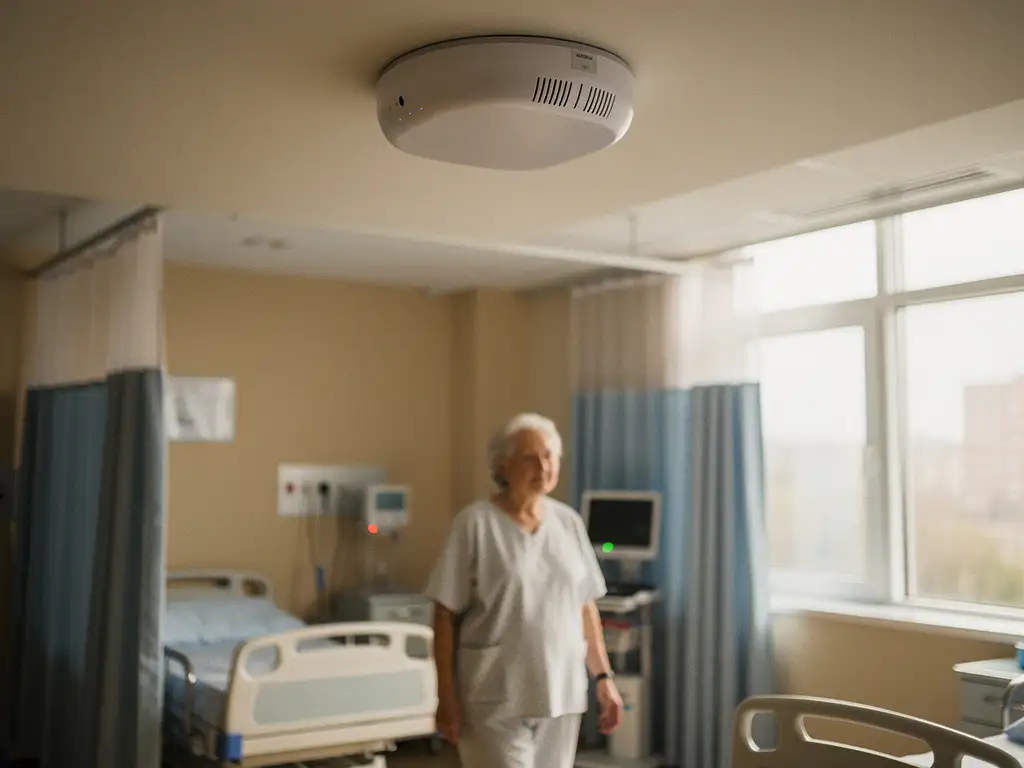
Elderly care faces unprecedented challenges. With an aging population and staff shortages in healthcare, fall prevention for seniors is becoming increasingly important. New technologies offer promising solutions to prevent falls and improve the safety of elderly individuals. Innovative companies like Kepler Vision Technologies are developing advanced AI solutions that watch over residents 24/7.
This technological advancement is transforming how care organizations handle fall risks. From wearable sensors to artificial intelligence: the possibilities seem endless. But which trends will actually shape the future of fall prevention?
What are the key technological developments in fall prevention?
The key technological developments in fall prevention include artificial intelligence with computer vision, wearable sensors, smart floor systems, and integrated IoT solutions that enable real-time monitoring.
Computer vision technology is at the forefront of these developments. These systems use advanced cameras and AI algorithms to analyze movement patterns and recognize risky situations before a fall occurs. The technology can detect subtle changes in walking patterns that indicate an increased fall risk.
Wearable technology is rapidly evolving from simple alarm buttons to intelligent wearables that monitor heart rate, movement, and balance. These devices can recognize patterns indicating fatigue or instability, enabling proactive interventions.
Smart floor systems with built-in sensors represent another promising development. This technology can analyze pressure patterns and walking styles without residents having to wear anything, which increases acceptance.
How is artificial intelligence changing fall detection in care centers?
Artificial intelligence is revolutionizing fall detection by offering unprecedented accuracy, with systems generating only one false alarm per 92 days—1,000 times better than traditional technologies.
AI systems continuously analyze video footage without human intervention, while ensuring privacy is maintained because images are never viewed by humans. The technology recognizes complex movement patterns and can distinguish between normal activities and potentially dangerous situations.
Machine learning algorithms are becoming increasingly intelligent by learning from thousands of hours of movement data. They can now predict when someone is likely to fall, instead of only detecting when it has already happened. This opens possibilities for preventive care rather than reactive assistance.
Integration with care records and staff scheduling systems makes it possible to create risk profiles for each resident. Care staff receive targeted alerts based on individual risk factors and historical data.
What benefits do wearable fall detection systems offer for seniors?
Wearable fall detection systems offer seniors more freedom and independence, while simultaneously providing 24/7 protection through automatic emergency alerts and real-time monitoring of vital functions.
The greatest advantage is increased mobility. Seniors can move more freely, both inside and outside the care facility, knowing that help will be automatically called in case of a fall. This reduces anxiety and promotes a more active lifestyle.
Modern wearable systems monitor not only falls, but also heart rate, sleep patterns, and daily activity. This holistic approach helps caregivers identify health changes early and develop personalized care plans.
The social aspects are equally important. Family members and informal caregivers can gain insight into their loved ones’ wellbeing through apps, which reduces worry and improves communication with healthcare providers.
How can care organizations successfully implement fall prevention technology?
Successful implementation of fall prevention technology requires a phased approach with pilot projects, extensive staff training, clear protocols, and continuous evaluation of effectiveness.
Start with a thorough risk analysis of the current situation. Identify hotspots where falls frequently occur and residents with the highest risk. This data forms the basis for a targeted implementation strategy.
Involve care staff from the beginning in selection and implementation. Their practical experience is crucial for choosing the right technology and developing workable protocols. Organize regular training sessions and ensure continuous support.
Start small with a pilot project on one ward or with a limited group of residents. Monitor results carefully and adjust the approach based on lessons learned before expanding to other departments.
What are the privacy implications of modern fall detection systems?
Modern fall detection systems bring significant privacy challenges, but advanced technologies can minimize these risks through edge computing, data encryption, and strict access controls.
The biggest concern involves the use of cameras in private spaces. Residents and families rightfully worry about continuous monitoring. Modern AI systems address this by processing images locally without storage, sending only alerts to care staff.
Compliance with regulations such as GDPR is essential. Care organizations must be transparent about data collection, implement clear consent procedures, and give residents the right to disable systems without losing other care services.
Technical security measures such as end-to-end encryption, regular security audits, and strict access controls are indispensable. Staff must be trained in privacy-conscious work methods and the principles of data minimization.
What will the future of fall prevention look like in 10 years?
In 10 years, fall prevention will be fully integrated into smart care environments, with predictive AI that can predict falls days in advance and automatically activate personalized interventions.
Predictive models will utilize big data from multiple sources: motion sensors, medical history, medication, sleep patterns, and even weather conditions. This holistic approach makes it possible to predict fall risks with unprecedented precision.
Robotics will play a larger role, with assistance robots providing physical support during risky activities. Exoskeletons and smart walking aids will help seniors maintain their mobility and balance.
Integration with smart home technology will become standard, with the entire living environment participating in fall prevention. Smart lighting, automatic obstacle detection, and adaptive furniture will proactively adjust the living environment to residents’ needs.
How Kepler Vision Technologies helps with fall prevention for seniors
We offer advanced AI solutions that make the future of fall prevention a reality today. Our Kepler Night Nurse and NurseAssist software combines the latest developments in computer vision and machine learning to watch over your residents 24/7.
Our key advantages for care organizations:
- Unprecedented accuracy with only one false alarm per 92 days
- Complete privacy through local image processing without human intervention
- Direct integration with existing care systems and workflows
- 24/7 monitoring without additional staffing requirements
- Compliance with ISO 27001 and NEN 7510 standards
With 21 international patents and 25 experts in machine learning and computer vision, we help care organizations worldwide solve staff shortages and improve resident safety. Discover how our innovative technology can transform your care organization through our website.
Frequently Asked Questions
What are the costs of fall prevention technology and how do you justify the investment?
The initial investment in fall prevention technology ranges from €500-2000 per resident, depending on the chosen solution. These costs are quickly recovered through reduced care costs for fall incidents (average €15,000 per hospital admission), lower insurance premiums and more efficient staff deployment. Many care organizations see a return on investment within 12-18 months.
How do residents cope with accepting new fall prevention technology?
Resident acceptance is crucial for success. Start with extensive education about the benefits and privacy safeguards. Let residents first try the technology in a non-committal setting and involve family members in the decision-making process. Camera-based systems often have higher acceptance than wearable devices because residents don’t have to wear or remember anything.
What happens if the system has a technical malfunction or goes offline?
Modern fall prevention systems have built-in redundancy and backup protocols. In case of malfunction, they automatically switch to alternative communication methods or activate local alarms. Care staff receive immediate notification of system malfunctions. It’s important to have clear emergency protocols and regularly train staff in manual checks during technical problems.
How do I effectively train my care staff in using fall prevention technology?
Start with hands-on training in small groups, where staff can operate the systems themselves. Organize scenario exercises with real alarm situations and develop clear step-by-step plans for different situations. Designate super users who can support colleagues and ensure regular refresher training. Most suppliers offer extensive training materials and continuous support.
Can fall prevention technology be integrated with our existing care records and systems?
Yes, modern fall prevention systems are designed for integration with existing care software via standard APIs. They can automatically register incidents in electronic patient records, forward alarms to staff scheduling systems and generate reports for quality management. Ask suppliers about specific integration possibilities with your current systems before making a choice.
What measurable results can I expect after implementing fall prevention technology?
Care organizations report an average 40-60% reduction in fall incidents, 50% faster response times in emergency situations and 25% fewer hospital admissions related to falls. Additionally, they see improved staff efficiency, higher resident satisfaction and better compliance with quality indicators. Establish clear KPIs in advance to be able to measure and compare effectiveness.
Related Articles
- How do you attract more people to the care sector?
- What is the difference between a staff shortage and a labor shortage?
- Which risk factors increase the need for fall prevention in older adults?
- How does AI help in recognizing abnormal behavior in care situations?
- How do smart systems make care more personal?
This content was generated with the help of AI and it may contain mistakes