


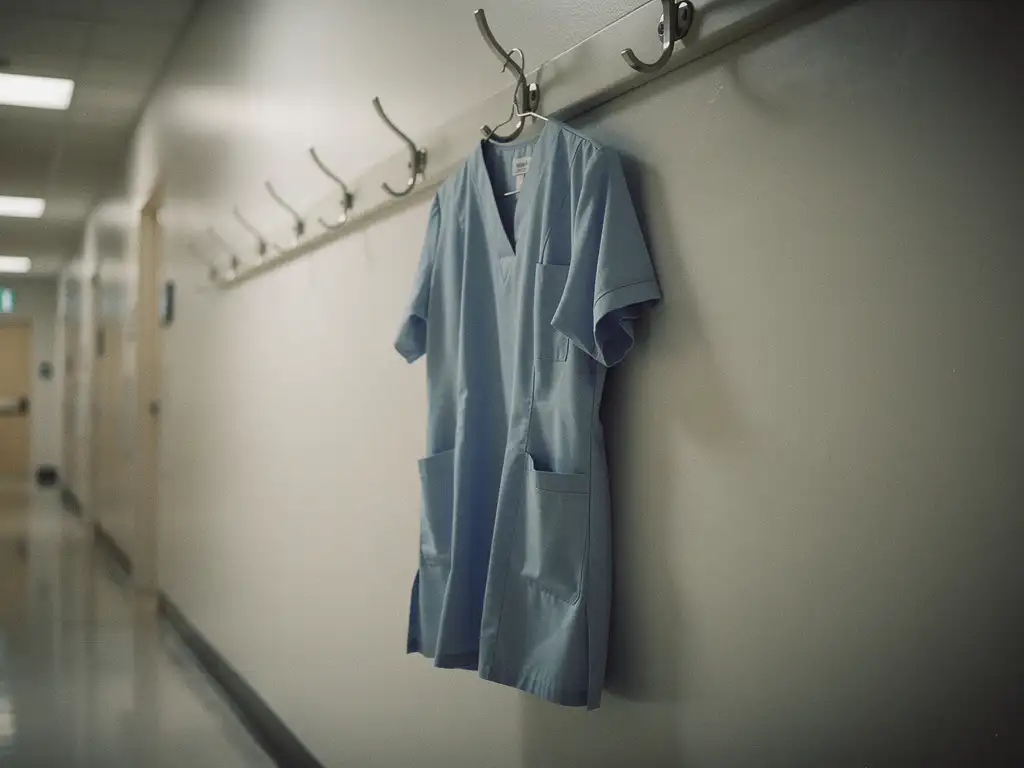
A staffing shortage occurs when the number of available and qualified employees structurally fails to keep pace with the demand for workers. In healthcare, this is not a temporary problem but a growing structural challenge that is becoming increasingly urgent due to an aging population, rising care demand, and high staff turnover. In this article, we answer the most important questions about staffing shortages in healthcare and what care organizations can do about them.
How does a staffing shortage in healthcare develop?
A staffing shortage in healthcare develops when the demand for care workers grows faster than the supply. This is the result of a combination of demographic trends, labor market conditions, and structural bottlenecks that reinforce one another. The outcome is that care organizations cannot fill vacancies and existing staff face an ever-increasing workload.
The core of the problem lies in a dual movement: on one hand, demand for care is rising as the population ages and people live longer with chronic conditions. On the other hand, many experienced healthcare professionals are leaving the sector due to work pressure, pay, or better prospects elsewhere. This creates an ever-widening gap between supply and demand.
What are the main causes of staffing shortages?
The main causes of staffing shortages in healthcare are an aging population, high staff turnover, limited inflow from training programs, and persistently high workloads. These factors work together and reinforce each other, causing the shortage to deepen year after year.
The most commonly cited causes are:
- An aging population: the number of older people is increasing, driving demand for care up by an estimated six percent per year.
- High workload: healthcare workers regularly operate under intense pressure, leading to burnout and attrition.
- Insufficient inflow: training programs are not producing enough new healthcare professionals to offset the outflow.
- Labor market competition: other sectors sometimes offer more attractive employment conditions, causing healthcare workers to leave the field.
- An aging healthcare workforce: a large proportion of current healthcare workers are approaching retirement age.
Together, these causes form a structural problem that cannot be solved by any single measure.
Which sectors are most affected by staffing shortages?
Elderly care and disability care are hit hardest by staffing shortages. But hospitals, psychiatric clinics, and home care services also face significant shortfalls in qualified personnel. In elderly care, the combination of growing care demand and high staff turnover is particularly acute.
Elderly care facilities face an especially difficult challenge: attracting and retaining staff has been a struggle for years, while demand for their services continues to grow. Hospitals face similar problems, particularly in departments where specialized expertise is required, such as intensive care and emergency medicine. Psychiatric clinics are further burdened by the combination of complex patient care and a limited labor market for specialized professionals.
What are the consequences of staffing shortages for care organizations?
Staffing shortages have direct and serious consequences for the quality and safety of care. Care organizations see workloads rise, care quality decline, and the risk of incidents increase. At the same time, pressure on the remaining staff intensifies, accelerating further attrition.
The consequences are felt at multiple levels:
- Increased workload: fewer staff means existing employees take on more tasks, leading to fatigue and a higher risk of errors.
- Reduced quality of care: when staff numbers are short, there is less time for individual attention and preventive care.
- Safety risks: unnoticed falls or emergencies may go undiscovered for longer when there are too few staff members to monitor clients.
- Higher costs: care organizations increasingly rely on expensive agency staff or overtime, adding to financial pressure.
- Staff turnover: overburdened employees leave the organization, further widening the shortage.
How can care organizations address staffing shortages?
Care organizations can address staffing shortages through a combination of better working conditions, smarter deployment of existing staff, and embracing technological solutions. There is no quick fix, but a layered approach that focuses on both attracting new staff and retaining existing employees offers the best chance of success.
Effective strategies include:
- Investing in employee well-being: staff who feel valued and have good working conditions stay longer.
- Smart task distribution: by automating routine tasks or redistributing them, healthcare professionals have more time for direct patient care.
- Partnerships with educational institutions: structured internship programs and training pathways help increase the inflow of new professionals.
- Flexible employment contracts: greater scope for part-time work and flexible scheduling makes the sector more attractive to a broader range of workers.
- Technology as a supplement: digital tools can take over tasks that would otherwise demand significant time and attention from care staff.
What role does technology play in addressing staffing shortages?
Technology is playing an increasingly important role in alleviating staffing shortages in healthcare. By automating routine tasks and supporting care staff with smart systems, care organizations can achieve more with fewer people without compromising quality or safety.
Practical applications of technology in healthcare include:
- AI-based monitoring systems: software that continuously monitors clients and only triggers an alert when action is genuinely needed, reducing unnecessary check rounds.
- Fall detection and fall prevention: automated systems that immediately signal when someone falls, allowing care staff to respond quickly without needing to be physically present at all times.
- Digital scheduling systems: smart planning tools help deploy available staff more efficiently.
- Telehealth and remote monitoring: monitoring patients remotely reduces the need for a physical presence at every check-up.
Technology does not replace care staff, but it does take over tasks that require no human touch. This leaves healthcare workers with more time and energy for the work that truly matters: personal, high-quality care.
How Kepler Vision Technologies helps address staffing shortages
At Kepler Vision Technologies, we understand the significant impact that staffing shortages have on care organizations. Our AI solutions are specifically designed to reduce the burden on care staff and ensure client safety, even when fewer employees are available.
Our software offers, among other things:
- 24/7 client monitoring without requiring a staff member to be continuously present.
- Immediate fall detection with a notification sent to care staff within seconds of an incident.
- An exceptionally low error rate: just one false alarm every 92 days, dramatically reducing unnecessary interventions.
- Full privacy protection: footage is never viewed by humans, fully safeguarding client privacy.
- Simple implementation thanks to a plug-and-play concept that can be installed quickly and without extensive technical knowledge.
Our solutions help care organizations achieve more with the staff they have, reduce workload, and improve safety. Want to find out how we can support your organization? Get in touch and discover what Kepler Vision Technologies can do for you.
Frequently Asked Questions
How quickly can care organizations expect to see results from measures against staffing shortages?
The timeline varies depending on the type of measure. Technological solutions such as AI monitoring systems and digital scheduling tools are often operational within a few weeks and deliver immediate time savings for care staff. Structural measures such as partnerships with educational institutions or improving working conditions require a longer-term commitment of six months to several years. In practice, a layered approach that combines quick wins with long-term investments works best.
What are the most common mistakes when addressing staffing shortages in healthcare?
A common mistake is focusing too heavily on recruitment while neglecting the retention of existing staff. Attracting new employees takes time and money, but if the underlying causes of attrition — such as high workloads and limited autonomy — are not addressed, new staff will leave just as quickly. Another pitfall is introducing technology without buy-in from care staff themselves; involve employees early in the process to prevent resistance and encourage adoption.
How do I ensure that care staff are open to using technology such as AI monitoring systems?
Successful technology adoption starts with involving staff in the selection and implementation phase. Clearly explain what problem the technology solves and what it concretely means for them in day-to-day practice, such as fewer unnecessary check rounds or faster response times during incidents. Pilot programs in which a small team tries out the technology first and shares their experiences with colleagues help build trust and create broader organizational buy-in.
Are there grants or funding options available for care organizations looking to invest in technological solutions?
Yes, several funding options are available. The Ministry of Health, Welfare and Sport and regional care offices regularly offer grants and incentive schemes for healthcare innovation and digitalization. In addition, European funds such as the ERDF and programs through ZonMw are available and focused on technological innovation in healthcare. It is advisable to contact your regional care office or a consultant specializing in healthcare financing to map out the current options.
How does the use of AI technology relate to privacy legislation such as the GDPR?
Privacy is a legitimate concern when deploying monitoring technology in healthcare. High-quality AI solutions are designed so that footage is never viewed by humans and personal data is minimized or processed anonymously, in line with the GDPR. As a care organization, always ensure that clients and their representatives are informed and give their consent, and that the chosen supplier demonstrably complies with applicable privacy laws and regulations, including a data processing agreement.
Can technology also be used to ease the burden of night shifts in healthcare?
Absolutely — and it is precisely during night shifts that technology offers the greatest added value. Staffing levels are at their lowest at night, while the risk of incidents such as falls or emergencies among clients remains just as present. AI monitoring systems that continuously observe and only alert staff when an actual incident occurs enable night shift workers to work more efficiently without having to carry out constant check rounds. This significantly reduces workload while simultaneously improving client safety.
What is a realistic starting point for a care organization that wants to take concrete steps against staffing shortages now?
Start with a thorough analysis of where the staffing shortage is felt most acutely in your organization and what the primary causes of attrition are. Hold conversations with frontline staff to identify bottlenecks and prioritize measures based on impact and feasibility. A combination of a rapid technology pilot — such as an AI monitoring system on a specific ward — and an improvement plan for working conditions delivers both immediate results and a solid foundation for the long term.
Related Articles
- How to Prevent Alarm Fatigue in AI Patient Monitoring Implementation
- What fall prevention exercises can I do at home?
- What role does computer vision play in tomorrow's healthcare?
- How does AI-based care monitoring differ from traditional systems?
This content was generated with the help of AI and it may contain mistakes