


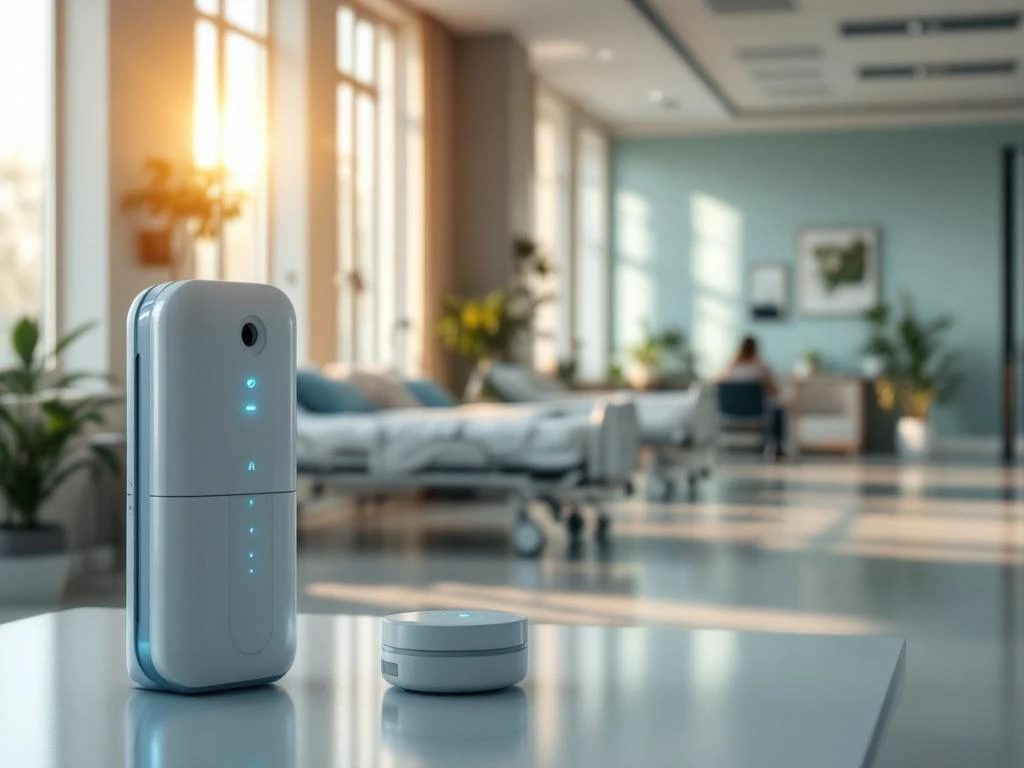
The future of elderly care is determined by technological innovations such as AI in healthcare, smart monitoring, and robotics. These developments help with staff shortages, increase resident safety, and improve the quality of care delivery. From fall detection to automated monitoring: modern technology transforms how we care for the elderly and supports healthcare workers in their daily tasks.
Which technologies are changing elderly care the most?
Artificial intelligence, robotics, sensor technology, and digital care platforms form the foundation of modern elderly care. These technologies automate monitoring, detect problems early, and support care staff with routine tasks. AI in healthcare leads the way by enabling 24/7 surveillance without constant human presence.
Robotics plays an increasingly important role in daily care activities. Robots help with medication distribution, lift residents, and provide companionship. They supplement the shortage of care workers and ensure consistent care delivery.
Sensor technology monitors movement, heart rate, and sleep patterns. These systems automatically alert when abnormalities occur and give caregivers real-time insight into residents’ health. Digital platforms connect family, caregivers, and residents, improving communication and care coordination.
These technologies solve practical problems: they reduce workload, increase safety, and enable personalized care. The result is higher quality care with fewer staff.
How does artificial intelligence help with staff shortages in healthcare?
AI in healthcare supports care workers by automating monitoring and only alerting when human intervention is needed. This reduces unnecessary checks and enables staff to focus on direct patient care. AI systems work 24/7 without fatigue or loss of attention.
The technology detects patterns that humans might miss. AI recognizes early signs of health deterioration, fall risks, and behavioral changes. Caregivers receive only relevant alerts, which reduces stress and workload.
Practical benefits for care workers:
- Fewer nighttime checks through automated surveillance
- Faster response to emergency situations through direct alarms
- More time for personal care and conversations with residents
- Better work planning through predictable care needs
AI doesn’t replace caregivers, but makes their work more effective. It takes over routine tasks, allowing people to concentrate on empathy, complex care delivery, and human interaction.
What are the benefits of smart monitoring in elderly care facilities?
Smart monitoring systems increase safety through fall detection, movement recognition, and continuous health monitoring. They detect problems within seconds and respect privacy because images are not viewed by humans. Care workers only receive alerts when help is actually needed.
Fall detection provides the most direct life-saving function. Modern systems distinguish real falls from normal movements and alert immediately. This prevents long waiting times for help, reducing complications and anxiety.
Movement recognition monitors daily patterns and signals deviations. If a resident suddenly becomes less active or makes unusual movements, caregivers receive a notification. This helps with early detection of illness or cognitive decline.
Privacy remains protected because:
- images are only analyzed by AI and never viewed by humans
- care workers don’t see camera recordings, only alarms
- residents maintain their dignity and intimacy
- families know that privacy is respected
The result is better care with more respect for personal boundaries.
What challenges do new care technologies bring?
The implementation of care innovations brings challenges regarding costs, training, privacy, and acceptance. Care organizations must invest in technology and education while dealing with budget constraints. Acceptance by residents and family requires clear explanation of the benefits and privacy safeguards.
Financial challenges often form the biggest obstacle. New technology requires initial investments while care organizations are already under budget pressure. The payback period must be clear to convince management.
Staff training costs time and money. Care workers must learn to work with new systems while continuing their daily tasks. Resistance to change is understandable and requires patience.
Privacy considerations are complex:
- compliance with GDPR and healthcare regulations
- explanation to residents about data processing
- reassurance of families about security
- transparency about how systems work
Technical complexity can be overwhelming. Systems must work reliably and be simple to operate. Technical support must be available when problems arise.
Acceptance grows when benefits become clear. Residents appreciate faster help, families value privacy, and care workers experience less workload.
How Kepler Vision helps with innovative elderly care
We develop AI in healthcare that solves practical problems without creating new ones. Our software watches over residents 24/7, detects falls within seconds, and respects privacy because images are never viewed by humans. Care workers only receive relevant alerts when help is actually needed.
Our solutions offer concrete benefits:
- Reliable fall detection – only one false alarm per 92 days
- Complete privacy – images are only analyzed by AI
- 24/7 monitoring – without extra workload for staff
- Quick implementation – plug-and-play installation without complex training
- International compliance – meets all privacy and security requirements
We understand that care organizations need practical solutions that work immediately. Our technology integrates seamlessly into existing workflows and supports care workers instead of burdening them with new tasks.
Would you like to know how our AI solutions can help your care organization with staff shortages and improving resident safety? Contact us for a personal demonstration of our innovative care technology.
Frequently Asked Questions
How long does it take to implement AI technology in a care facility?
Implementation typically takes 2-4 weeks with plug-and-play systems. Most facilities see results within the first month.
How accurate are AI fall detection systems?
Modern AI systems have very low false alarm rates – only one false alarm per 92 days with advanced systems. False alarms are quickly resolved and help improve system accuracy.
Do residents accept cameras in their rooms?
Acceptance is high when privacy is guaranteed – images analyzed only by AI, never viewed by humans. Clear explanation of benefits increases acceptance significantly.
Related Articles
- How does workload affect employee engagement?
- How do you test the effectiveness of fall prevention solutions for seniors?
- How do you prevent technical malfunctions in fall prevention for the elderly?
- How effective is fall prevention for older adults?
- What makes modern healthcare monitoring scalable?
This content was generated with the help of AI and it may contain mistakes