


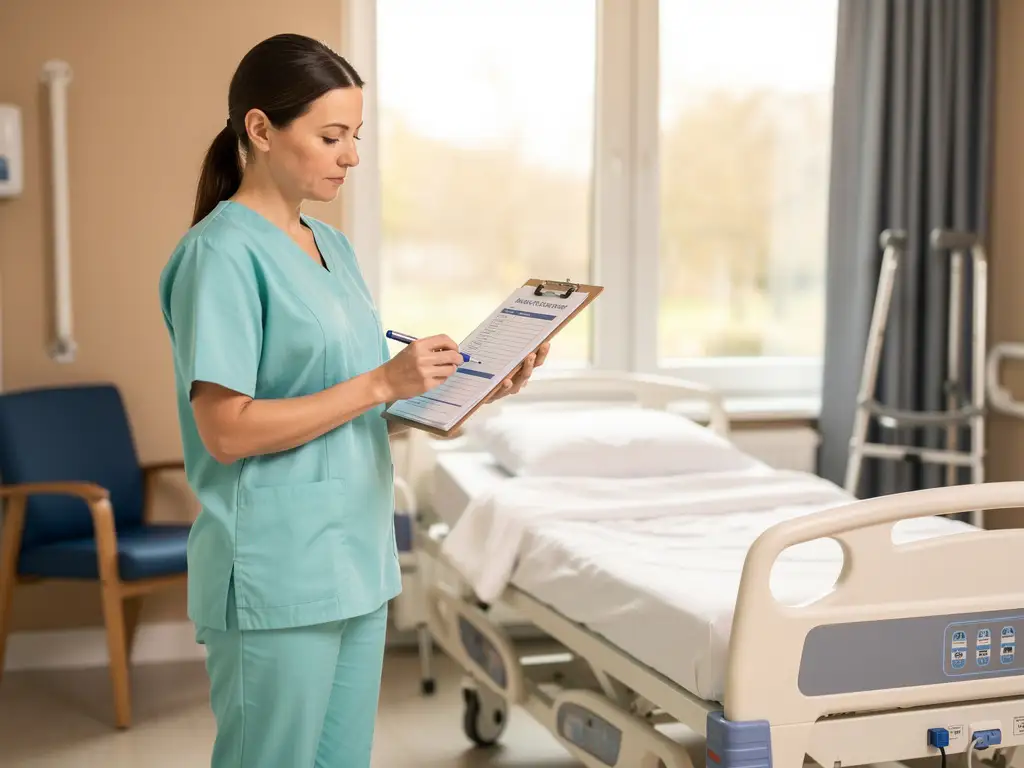
Fall prevention for the elderly is becoming increasingly important as the aging population grows and healthcare organizations face staffing shortages. Modern AI technology now offers advanced capabilities to optimize workflows while ensuring the safety of elderly residents. By integrating smart fall prevention systems into existing care processes, healthcare facilities can increase their efficiency while simultaneously improving the quality of care.
This technological advancement makes it possible to act proactively instead of reactively. This can not only save lives but also significantly reduce the workload for healthcare staff. In this article, we explore how fall prevention can transform workflows and what practical steps are necessary for successful implementation.
What is fall prevention and why is it crucial for elderly care?
Fall prevention for the elderly is a systematic approach where risk factors are identified and measures are implemented to prevent falls before they occur. It combines risk analysis, environmental modifications, and technological monitoring to create a safe care environment.
In elderly care, fall prevention is crucial because falls are the leading cause of injury in people over 65 years old. A fall can lead to hip fractures, head injuries, and prolonged immobility, which not only affects the resident’s wellbeing but also significantly increases care costs. Furthermore, unnoticed falls can have fatal consequences, especially during nighttime hours when fewer staff members are present.
Effective fall prevention goes beyond simply installing bed rails or anti-slip mats. It requires an integrated approach that includes medication assessment, mobility evaluation, and continuous monitoring. By acting proactively, care facilities can not only improve safety but also reduce residents’ fear of falling and maintain their independence.
How does AI technology for fall detection work in practice?
AI technology for fall detection uses advanced computer vision algorithms that analyze movement patterns through cameras to immediately detect when someone falls. The system distinguishes normal movements from fall incidents through machine learning models trained on thousands of movement sequences.
In practice, strategically placed cameras are connected to AI software that monitors 24/7 without human intervention. When the system detects a fall, an alarm is sent to care staff via their mobile devices or central monitoring systems within seconds. The technology can also recognize risky situations, such as unsteady movements or attempts to get out of bed without assistance.
The main advantage of modern AI fall detection is accuracy. Advanced systems generate only one false alarm per 92 days, which is a dramatic improvement over traditional sensor technology. This means care staff are only alerted when action is actually required, significantly improving workflow efficiency.
What are the benefits of automated fall prevention workflows?
Automated fall prevention workflows provide immediate response to incidents, increase care staff efficiency, and improve overall safety through continuous monitoring without human error. They eliminate the need for frequent manual checks and reduce workload for staff.
An important advantage is consistency in monitoring. While human observation can vary due to fatigue, distraction, or staffing shortages, automated monitoring remains constantly alert. This is especially valuable during night shifts, when fewer staff are available but fall risk remains high.
Additionally, automated systems generate valuable data about movement patterns and risk moments. This information can be used to optimize preventive measures and adjust care plans. Healthcare organizations can identify trends, such as specific times when falls occur more frequently, and deploy their staff accordingly.
Privacy is another crucial advantage. Modern AI systems process images locally, without human operators viewing the recordings. Care staff only receive notifications when intervention is needed, respecting residents’ privacy while ensuring safety is maintained.
How do you implement fall prevention technology in existing care workflows?
Implementation of fall prevention technology begins with a thorough analysis of current workflows and identification of integration points where the technology can strengthen existing processes. The installation must seamlessly connect to existing communication systems and must not disrupt daily care activities.
The first step is conducting a risk analysis to determine which spaces have priority for monitoring. Usually, bedrooms, bathrooms, and common areas are equipped first. It’s essential to involve staff from the beginning in the implementation process and develop clear protocols for responding to alarms.
Training forms a crucial part of successful implementation. Care staff must understand how the system works, how to interpret alarms, and what steps to take for different types of notifications. A phased rollout, starting with a pilot department, allows teams to gain experience before the system is implemented more broadly.
Technical integration requires collaboration with IT departments to ensure the fall prevention system is compatible with existing care documentation systems. This makes it possible to automatically document fall incidents and coordinate follow-up care without additional administrative burden.
What challenges do you encounter when optimizing workflows with fall prevention?
The biggest challenges in workflow optimization with fall prevention are staff resistance to change, integration with existing systems, and finding the right balance between automation and human care. Additionally, privacy concerns and technical complexity can slow implementation.
Staff resistance often arises from fear that technology will replace their jobs or create additional work. It’s crucial to clearly communicate that fall prevention technology is a tool that enhances their effectiveness and doesn’t threaten their jobs. Regular training and involving employees in developing new protocols help increase acceptance.
Technical challenges include network infrastructure, data security, and system integration. Many care facilities have outdated IT systems that may not be compatible with modern AI solutions. This often requires infrastructure upgrades or implementing intermediate solutions to make systems communicate with each other.
Privacy and compliance form ongoing points of attention. Organizations must ensure that fall prevention systems comply with GDPR requirements and local privacy legislation. This means data processing, storage, and access controls must be carefully designed and regularly audited.
How we help with fall prevention for the elderly
We offer a complete AI solution that seamlessly integrates into existing care workflows and delivers proven results for elderly care facilities. Our technology combines advanced fall detection with user-friendly implementation to immediately add value to your care processes.
Our key advantages are:
- Unprecedented accuracy with only one false alarm per 92 days
- 24/7 monitoring without compromising residents’ privacy
- Plug-and-play installation requiring minimal IT support
- Direct integration with existing communication systems
- Full compliance with ISO 27001 and NEN 7510 standards
With more than 21 international patents and proven expertise in machine learning and computer vision, we help care facilities worldwide optimize their workflows. Our team of 25 specialists supports you from implementation to ongoing optimization, so you can focus on what matters most: providing excellent care to your residents. Discover how our fall prevention solutions can transform your care workflows and contact us today for a personal demonstration.
Frequently Asked Questions
How long does it take to fully implement an AI fall prevention system?
A complete implementation takes an average of 4-6 weeks, depending on the size of your facility. This includes installation, system integration, staff training, and a testing phase. With a phased rollout, you can see the first results in pilot departments within 1-2 weeks.
What are the costs of AI fall prevention and how quickly does it pay for itself?
Investment costs vary per facility, but most organizations see a return on investment within 12-18 months. This comes from reduced care costs for fall incidents, more efficient staff deployment, and lower insurance costs. A single prevented hip fracture can save thousands of dollars.
How does the system handle privacy and can residents object?
The system processes all images locally and does not store personal images. Only movement patterns are analyzed by AI, without people viewing the recordings. Residents always have the right to object, and the system can be disabled per room while other spaces remain active.
What happens if the system gives a false alarm?
Modern AI systems have only one false alarm per 92 days, but if this happens, staff can easily confirm or cancel the alarm via their mobile device. The system learns from this feedback and becomes increasingly accurate. Clear protocols help staff quickly assess whether intervention is needed.
Can the system also detect other risk situations besides falls?
Yes, advanced AI systems can also recognize unsteady movements, attempts to get out of bed without help, prolonged inactivity, and other risky behaviors. This enables proactive intervention before a fall occurs. The system can also identify patterns that indicate increasing fall risks.
How do you train staff to work effectively with the new system?
Effective training includes hands-on sessions where staff learn how to interpret alarms, what response time is required, and how to document incidents. We recommend a train-the-trainer approach where key figures are first trained and then train their colleagues. Ongoing evaluation and additional training ensure optimal use.
What if our existing IT infrastructure is outdated?
Modern plug-and-play fall prevention systems are designed to work with minimal IT requirements. They can often function via existing WiFi networks and have intermediate solutions for older systems. Our technical specialists conduct a preliminary infrastructure analysis and advise on any necessary upgrades.
Related Articles
- Which sectors are struggling the most with staff shortages?
- What are the legal aspects of fall prevention for the elderly?
- How do you optimize fall prevention for seniors in different spaces?
- What role does data play in the future of healthcare monitoring?
- How is AI changing the way healthcare is monitored?
This content was generated with the help of AI and it may contain mistakes