


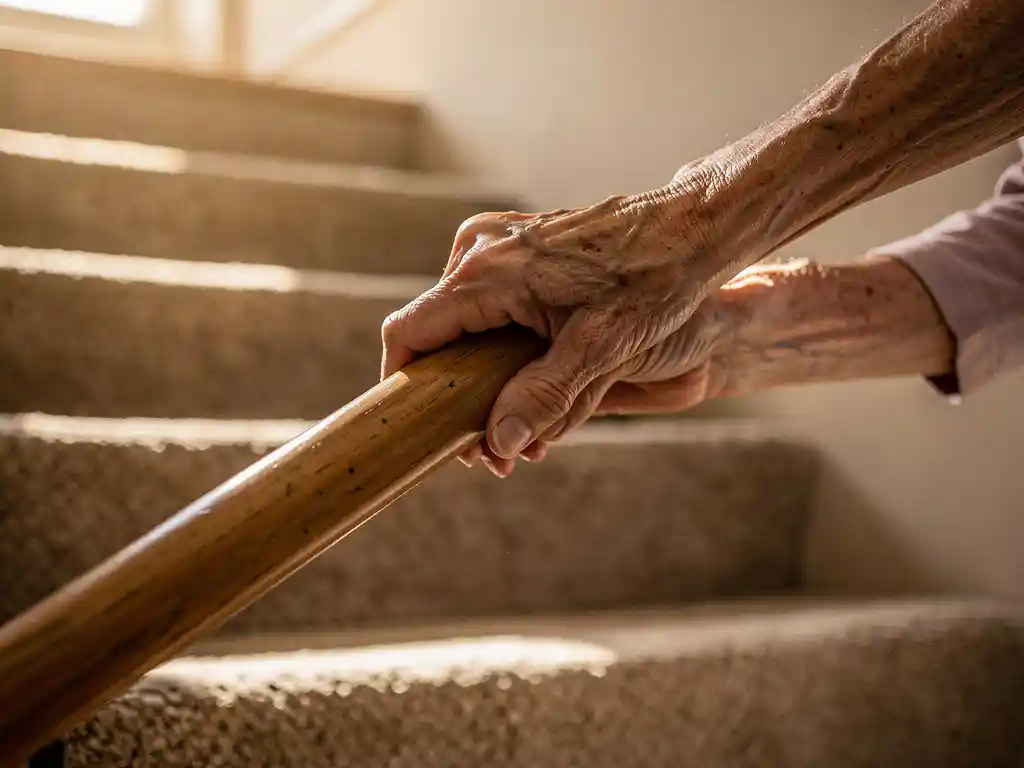
Falls represent one of the greatest health risks for older adults and can lead to serious injuries, hospitalizations, and reduced quality of life. Fall prevention for seniors has therefore become crucial in modern healthcare, with innovative technologies increasingly being deployed to minimize risks.
With the right preventive measures, most fall incidents can be prevented. This article covers five essential tips that seniors and their caregivers can apply to significantly reduce fall incidents and increase safety.
Why is fall prevention so important for seniors?
Fall prevention for seniors is vital because falls are the leading cause of injuries in people over 65 years old. Each year, approximately one in three seniors falls, often resulting in hip fractures, head injuries, or other serious injuries that threaten their independence.
The consequences of a fall extend beyond just physical injuries. Many seniors develop a fear of falling again after a fall incident, which leads to reduced mobility and social isolation. This creates a negative spiral where muscles become weaker and the fall risk actually increases.
Additionally, fall incidents have a major impact on the healthcare system. They lead to costly hospitalizations, long-term rehabilitation, and higher care costs. Through effective fall prevention, these costs can be reduced while preserving the quality of life for seniors.
Which factors increase fall risk in seniors?
Fall risk in seniors is increased by a combination of internal factors, such as reduced muscle strength, balance disorders, and medication use, and external factors, such as dangerous living conditions and inappropriate footwear.
Internal risk factors include age-related changes, such as decreased bone density, deteriorated vision and hearing, and cognitive decline. Medications such as blood pressure medications, sleeping pills, and antidepressants can cause dizziness and reduce reaction time.
External risk factors in the living environment play an equally important role. Loose rugs, poor lighting, slippery floors, and missing handrails create dangerous situations. Inadequate footwear with slippery soles or overly long laces also significantly increases fall risk.
How can the living environment be made safer?
The living environment can be made safer by removing dangerous obstacles, installing adequate lighting, and adding supportive aids in high-risk zones, such as bathrooms and stairs.
Start by removing trip hazards, such as loose rugs, cords, and clutter on the floor. Ensure sufficient lighting in all rooms, especially at stairs and transitions between rooms. Place light switches within reach of beds and chairs.
In the bathroom, non-slip mats, shower chairs, and grab bars are essential. Install securely mounted handrails at toilets and in showers. For stairs, handrails on both sides and anti-slip strips on the steps are important safety measures.
Also consider the height of furniture and the accessibility of daily necessities. Items that are frequently used should be at eye level to prevent dangerous reaching or climbing.
What role do exercise and physical therapy play in fall prevention?
Regular exercise and physical therapy play a crucial role in fall prevention by improving muscle strength, balance, and coordination. Specific balance exercises can reduce fall risk by 20-30%.
Strength exercises for the legs and core muscles are fundamental for stability. Simple exercises such as standing up from a chair, heel raises, and leg lifts can be performed at home. These exercises strengthen the muscles needed for daily activities and emergency situations.
Balance training is equally important and can consist of exercises such as standing on one leg, heel-to-toe walking, or tai chi. These activities train the body to better respond to unexpected movements and restore balance.
Professional physical therapy can identify individual risk factors and develop targeted exercise programs. Physical therapists can also help adapt exercises to specific limitations or medical conditions.
How does modern technology help with fall detection and prevention?
Modern technology helps with fall detection and prevention through continuous monitoring, early warning systems, and automated alerts, enabling rapid assistance when a fall occurs.
Wearable devices such as smartwatches and personal alarm buttons can detect falls and automatically alert emergency services. These technologies use motion sensors and algorithms to distinguish normal activities from fall incidents.
More advanced systems use cameras and artificial intelligence for continuous monitoring of living spaces. These systems can not only detect falls but also recognize risky situations before a fall occurs.
How we help with fall prevention for seniors
We at Kepler Vision Technologies offer advanced AI solutions that take fall prevention for seniors to the next level. Our Kepler Night Nurse software watches over residents 24/7 and detects within seconds when someone falls, ensuring rapid assistance.
Our technology distinguishes itself through:
- Unprecedented reliability, with only one false alarm per 92 days
- Complete privacy protection: images are never viewed by humans
- Direct alerts to care staff during emergencies
- Fall prevention by recognizing risky situations
With our AI software, care organizations can address staff shortages while increasing resident safety. Discover how our innovative solutions can support your care organization with effective fall prevention. Contact us for more information about our proven technology.
Frequently Asked Questions
How often should I check the living environment for fall risks?
It is recommended to perform a thorough safety check at least twice a year, for example during seasonal changes. Additionally, you should take immediate action when changes occur in mobility, health, or medication use, as these factors can create new risks.
What exercises can I do daily at home to improve my balance?
Start with simple exercises such as standing on one leg for 10 seconds (with support from a chair), heel raises while holding onto a counter, and heel-to-toe walking along a straight line. Start with 5-10 repetitions per exercise and gradually build up. Consistency is more important than intensity.
What should I do if I fall but don't appear to be injured?
First remain calm and check yourself for pain or injuries. Try to slowly crawl to a chair or bed to get up. Even without visible injuries, it is wise to contact your doctor, as internal injuries are not always immediately noticeable.
How can I cope with fear of falling after a previous incident?
Fear of falling is normal but can lead to reduced activity and increased fall risk. Start with familiar activities in a safe environment and gradually build up. Consider physical therapy or a fall prevention course. Talk to family, friends, or a professional about your fears – you are not alone.
Are there specific medications that increase fall risk?
Yes, medications such as sleeping pills, certain blood pressure medications, antidepressants, and pain relievers can cause dizziness or confusion. Discuss with your doctor or pharmacist all medications you are taking and ask about possible side effects. Never change the dosage yourself without medical advice.
What are the costs of fall detection technology and is it covered?
Costs vary from $50-200 for simple personal alarm systems to thousands of dollars for advanced AI systems. Some basic equipment is partially covered through community services or health insurance. Contact your local services or health insurer to inquire about reimbursement options for fall prevention aids.
When should I seek professional help for fall prevention?
Seek professional help after a fall incident, with increasing unsteadiness, or when you notice that daily activities are becoming more difficult. An occupational therapist can assess your living environment, while a physical therapist can develop a personalized exercise program. Your doctor can refer you to the appropriate specialists.